Preferred Sample Type
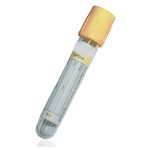
Suitable Specimen Types
- Serum
Sample Processing in Laboratory
UsualSample Preparation
UsualTurnaround Time
7-14 daysSample Stability
Stored at 4CIntrinsic Factor Antibody (IFAB)
General Information
Overview | Vitamin B12 deficiency in over 16s: diagnosis and management | Guidance | NICE
Antibodies against intrinsic factor (IF Ab) are seen in 50-70% of patients with pernicious anaemia (PA). Intrinsic factor antibodies are an appropriate first-line test for people with a vitamin B12 deficiency, however only if autoimmune gastritis is suspected and they’ve not previously had an operation that could affect vitamin B12 absorption. Other more common causes of vitamin B12 deficiency should be considered before requesting, e.g. malnutrition, malabsorption, and pharmacological side-effects (i.e. chronic metformin or PPI use).
Patient Preparation
None
Notes
Overview | Vitamin B12 deficiency in over 16s: diagnosis and management | Guidance | NICE
There are two types of intrinsic factor antibody that can be detected; type I that block the binding of B12 to intrinsic factor and type II that block the uptake of the intrinsic factor-B12 complex. PA is caused by chronic atrophic gastritis and subsequent reduced absorption of vitamin B12 in the ileum. This can result in megaloblastic anaemia and often neurological disorders, however the absence of macrocytic anaemia does not exclude PA.
Reference Range
Negative <= 20
Equivocal = 20.1- 24.9
Positive >=25.0
A specimen with equivocal levels of Intrinsic Factor antibody cannot be assessed for antibody status. A repeat sample should be taken at a later time.
Source of Reference Range
Manufacturers rangesSpecifications
- EQA Scheme?: Yes
- EQA Status: UK NEQAS for Intrinsic Factor Antibodies